The journey I took last year that felt like a huge adventure comes back to me in glimpses. I was mostly in Alexandria, and spent about a week in Cairo. I spent a lot of time at the language school where I studied Arabic, reading at cafés in the afternoons and visiting historical sites on my days off. I also took a trip to Marsa Matruh, where Alexandrians go for holiday, and tasted the salt of the Mediterranean that I had missed so much.
I don’t know how to describe my love for Egypt.
My experience was shaped by the friendship of a few young Egyptian women who quickly accepted me as one of their own. I’ve got a rare glimpse into their lives, their worries and their loves. I saw Egypt as they showed it to me, with its cruelty for its young, its under-appreciated nature and heritage, the incredible compassion of its people and their sense of fun.
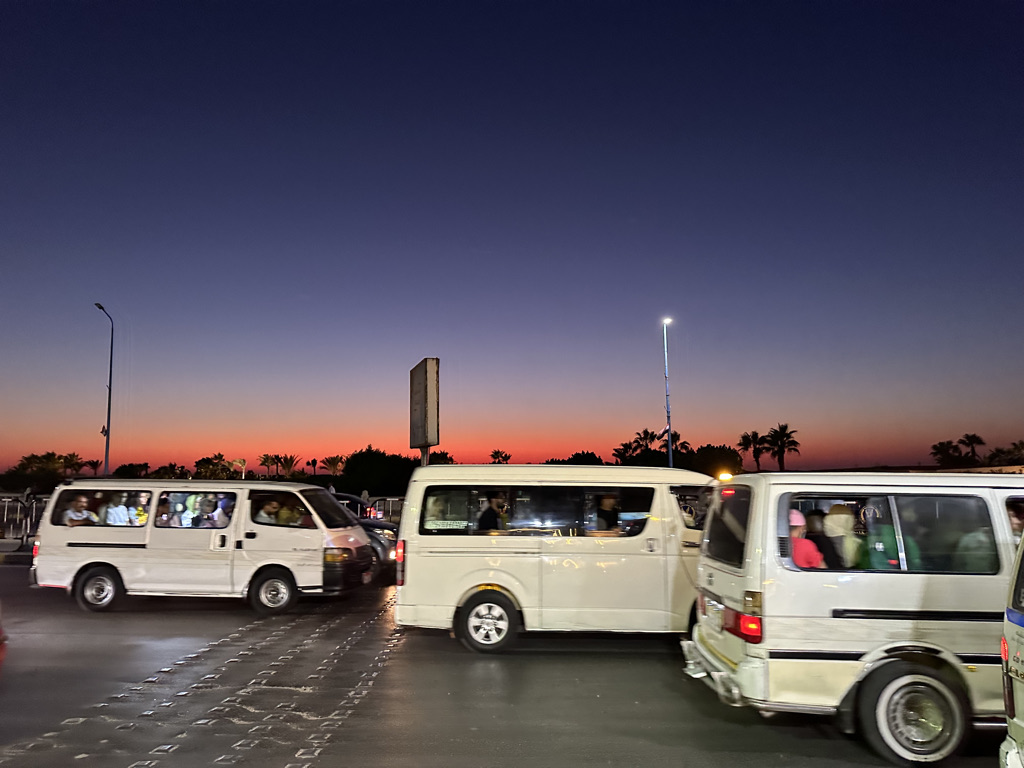
I soon found out that Egyptians are easy going. They make and dance to their own music: anything can be an instrument, any place can be a dance floor. Mahraganat blasts out from everywhere. Or it is the music of the Quran that gently flows out from the shops along the streets. They especially like the measured recitation of Sheikh Abdul Basit Abdul Samad, whose voice has such a comforting and sedative effect. I was told more than once that the Quran was “revealed in Arabia, written in Turkey, and recited in Egypt”, to highlight the development of the arts of calligraphy and recitation in these countries.
Egyptian history really messes up with one’s conventional mental timelines… Just the recorded history of the Egyptian civilisation goes back 5000 years. The pyramids are about 4600 years old! To put this into perspective, they were already ancient during the famed Cleopatra’s time. In fact she is closer in history to us than the Old Kingdom period when these monuments were built. One discerning feature of this civilisation is how death was a serious business for them; the museums of Cairo and Egypt are full of their preparations for it.
Cairo
I found Cairo to be an overburdened and overwhelmed city. It takes its turn on its visitors and inhabitants by overwhelming and overtaxing them. I paid it four visits, and each time was another stolen glance into what it used to be. Sadly, Cairo’s development outgrew the patience for remnants of the old world. Every other day another witness of the centuries is quietly comes down to make another road, an apartment, a parking lot, or a shopping centre. The remains give much material to the imagination: there are many places where one is not allowed to enter, but the mind wanders.
The new National Museum of Egyptian Civilisation is one of my favourite places in Cairo. Here you can learn much from a very visitor friendly and informative permanent exhibition of all the historical periods of Egypt, from prehistory to the 20th century. The Royal Mummies are also there, arranged neatly underground, with digestible information about each one’s days and works. It also has a beautiful garden, the views from the café inside remind one the descriptions of paradise.
Very close to this Museum is the Coptic Old Cairo. The very old churches there welcome visitors daily. The service we observed in the evening was very different from the services I have seen in the West. The priests wear long black gowns and burn incense while the congregation sing in Coptic language, Arabic translation of the hymns displayed on screens on each side of the altar. In fact, we only have a clue about how the Ancient Egyptian language sounded like thanks to the Church’s safekeeping. I love this part of the city because it is incredibly well preserved, which leads to my next pick.
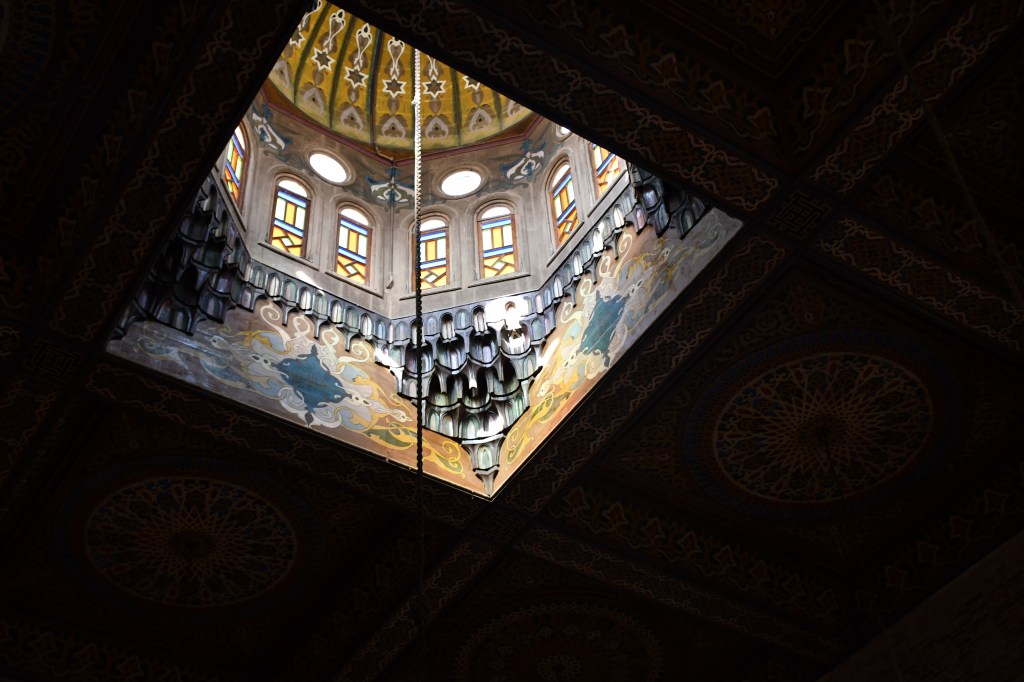
Al-Mu’izz Street is in the Muslim quarter of Old Cairo, linked to the perhaps more famous Khan al-Khalili . I didn’t truly appreciate this place until my second visit, and I really recommend going at night when it really comes to life. You can browse the bazaar for the most authentic and unique souvenirs (though still practice caution), and enjoy the Fatimid, Ayubid, Mamluk and Ottoman monuments. I fell in love with the city once again when I heard the oud and gentle melancholic singing flowing into the street from the Om Kalthom Café, dedicated to the iconic artist. Fun fact – her recordings play perpetually on the radio on dedicated channels, and you can tune in at 11 pm each night to watch the recordings of her show. Her legacy is pretty much alive.
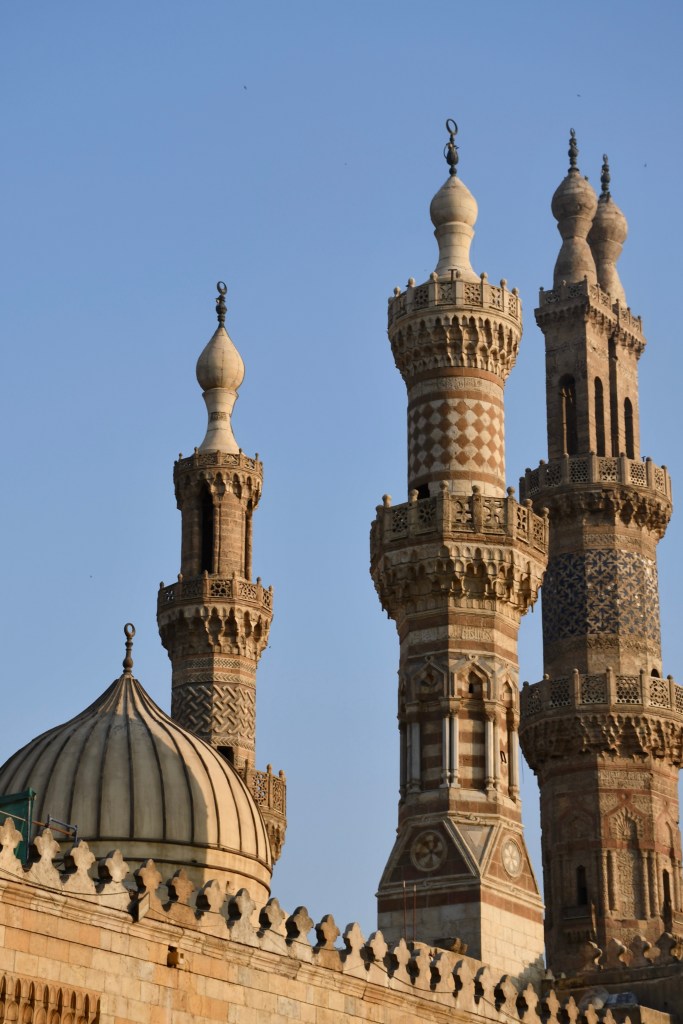
The city has so much more to offer. It would take months to visit all the mosques, madrasas, cemeteries and shrines that bear witness to centuries of Islamic Civilisation. Though the previous coherence of these places are overrun by wild urban sprawl, the layers of dust shroud their wonder with modesty.
Alexandria
My time in Egypt was mostly spent in Alexandria. I took many a dreamy trip to its Hellenistic sites and museums, spent long days reading in its library made to honour the ancient Great Library of Alexandria.
Writing this makes my mouth water, I really miss the cakes and sweets at Cafe Dèlices in Saad Zaghloul Street. This art deco café has the greatest collection of desserts I have ever seen, friendly waiters and and authentic wood panelling interior. They play nostalgic Greek and French music, in reference to the café’s history, that adds to the calming and elegant atmosphere. The coffee is also really good, but perhaps not as good as the neighbouring Brazillian Coffee. Another coffee shop from the 1920s, they daily roast their beans which you can also buy to bring the fragrance back home.
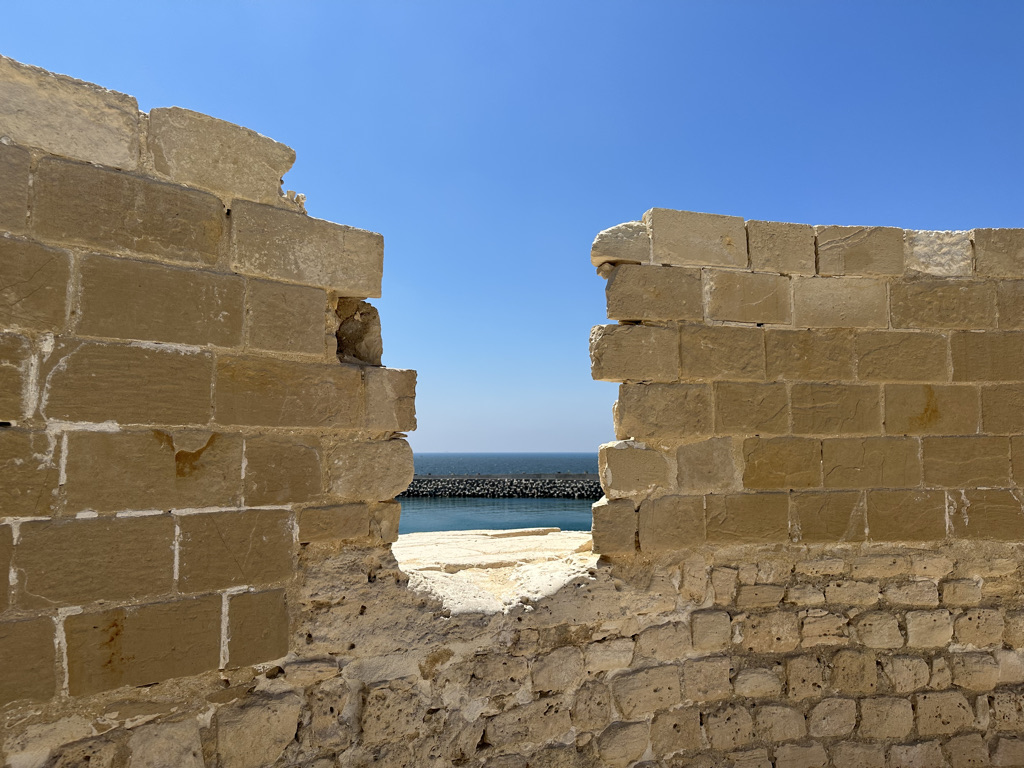
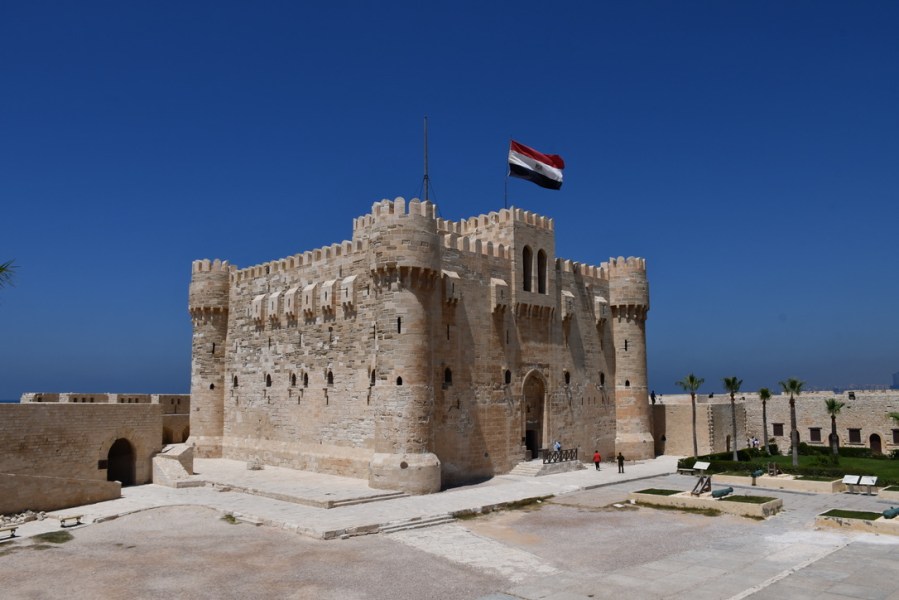
Alexandria also has great museums and historical sites. Its Qaitbay Fort is the most perfect real life sandcastle I have ever seen, one forgets that it was a military stronghold for centuries. It sits on the original site of The Lighthouse of Alexandria, Pharos, one of the Seven Wonders of the Ancient World (thus Egypt boasts two of them, guess what the other one is). Also must see Hellenic and Roman sites are the Catacombs, Pompey’s Pillar and the Roman Theatre.
The Greco-Roman Museum in Al Attarin is my favourite museum in Alexandria. It is funny to point out that despite its more than 2000 years of history, the city established by Alexander the Great is quite young by Egyptian standards. This museum gives an idea about the arts, culture and daily life during this period. This area of the city is famous for its upscale restaurants on the one hand, antiques and Versailles-worthy Baroque style furniture shops on the other.
Revisits
I wish I could see the country through the eyes of travellers of the old. Yet, I still owe a few visits to this country. To see my friends, take a dive into the Red Sea, and to visit the main ancient historical sites at Luxor and Aswan. I didn’t want to rush into this to be able to completely appreciate it. I want to spend a few days in the library digging into to treasures enshrined in these ancient places. Only after that, make my way back to Egypt.
 rana the reader